 GlassBottleSupplies












Sales manager will contact you within 24 hours
Why Wide Mouth Glass Bottles Rule Cosmetics
Choosing the right primary packaging is rarely just about aesthetics; it is a critical engineering decision that affects product stability, user experience, and brand perceived value. In the premium cosmetics and skincare market, the wide mouth glass bottle has emerged as the gold standard for high-viscosity formulations. But what makes a “wide mouth” technically superior, and how do you navigate the manufacturing nuances of glass weight, neck finish, and chemical resistance?
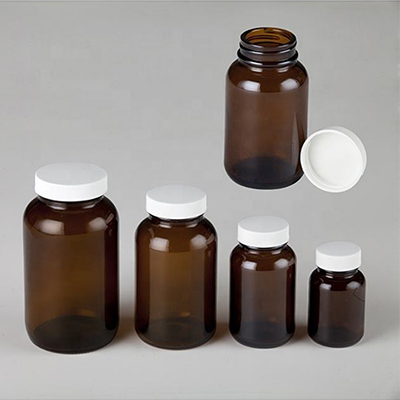
The Anatomy of a Professional Wide Mouth Glass Bottle
In the industry, we define a wide mouth bottle (often referred to as a “jar” in specific capacities) by its neck diameter relative to the body width. Typically, any opening where the diameter is at least 50% of the body diameter qualifies. For cosmetics, this design serves a functional purpose: accessibility for viscous creams, body butters, and exfoliating scrubs.
1. Material Integrity: Type III vs. Type I Glass
When sourcing wide mouth bottles, the glass composition is paramount.
- Soda-Lime Glass (Type III): The industry standard for most skincare. It offers excellent clarity and is 100% recyclable.
- Borosilicate Glass (Type I): Often used in luxury “clean beauty” or medical-grade topicals due to its superior thermal shock resistance and lower alkalinity.
2. The GPI/GCMI Neck Finish
For a bottle wide mouth design to be leak-proof, the neck finish must be precise. Most international suppliers utilize the GPI (Glass Packaging Institute) standards. Common finishes for wide-mouth variants include:
- 400: A shallow continuous thread (CT) finish.
- 410: A medium-length continuous thread.
- 415: A deep continuous thread, often seen in high-end serum jars.
Strategic Advantages for Skincare Brands
Sustainability and the “Refill” Trend
Modern consumers are moving away from single-use plastics. Wide mouth glass bottles are naturally sustainable. Because glass is non-porous and chemically inert, it does not leach chemicals into the product over time—a major concern for “organic” brands that avoid synthetic preservatives. Furthermore, the wide opening makes these bottles the easiest to clean and reuse, facilitating “refillable” business models.
Optimization of Filling Lines
From a manufacturing perspective, wide mouth bottles significantly reduce “product loss” during the high-speed filling process. Narrow necks require precision nozzles and are prone to “crowning” (overflow), whereas wide openings allow for faster throughput and easier air displacement during the fill.
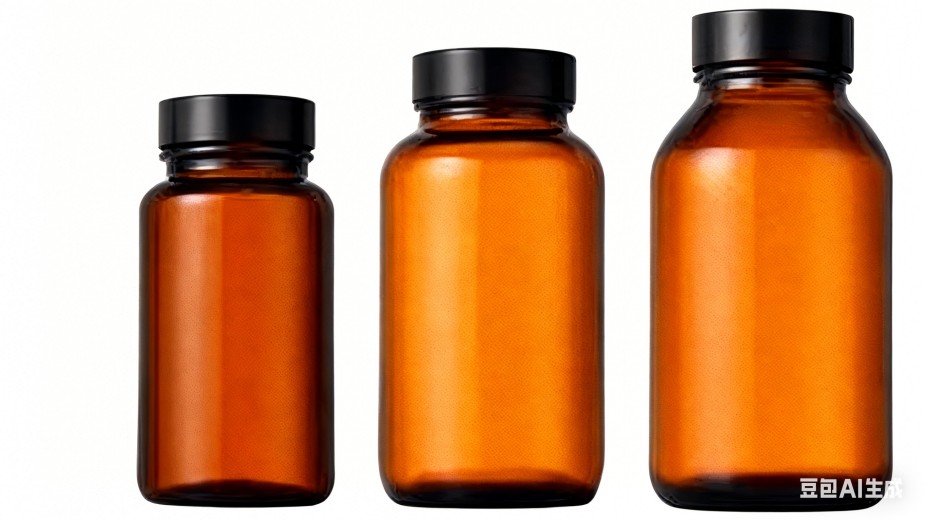
Technical Common Sense: What You Must Know
Before placing a bulk order for wide mouth glass bottles, professional buyers should evaluate these three technical factors:
- Shoulder Slope: A “sharp” shoulder on a wide mouth bottle can trap product. For high-end creams, a “sloping” shoulder ensures the consumer can reach every last gram of the product.
- Annealing Quality: If the glass is not cooled properly (the annealing process), a wide-mouth container is more susceptible to “thermal stress” fractures, especially during heat-shrink labeling or hot-fill processes.
- Liner Compatibility: A wide mouth requires a larger surface area for the seal. Using a PE (Polyethylene) liner vs. a Pressure Sensitive (PS) liner depends entirely on the oil content of your formula.
Case Study: The “Lumière” 100ml Wide Mouth Success
The Client: A European luxury organic skincare brand.
The Challenge: They were using plastic tubs for a thick “rejuvenating mask.” The product was oxidizing, and customers complained about the “cheap” feel.
The Solution:
We transitioned them to our 100ml Wide Mouth Glass Bottle with an Amber tint and a 53-400 neck finish.
- Protection: The Amber glass filtered 99% of UV rays, extending the shelf life of their active Vitamin C by 4 months.
- Perception: The “heft” of the glass increased the retail price point by 25% without changing the formula.
- Result: The brand saw a 40% increase in repeat purchases, attributed to the premium feel and the “cleaner” experience of glass over plastic.
Sourcing and Customization
When searching for wide mouth bottles, customization is where your brand stands out. At Glass Bottle Supplies, we offer:
- Acid Frosting: Gives the glass a high-end, translucent matte finish.
- Silk Screen Printing: More durable than labels for bathroom environments (high humidity).
- Color Coating: Ceramic sprays that allow for any Pantone color while maintaining the recyclability of the glass.
Comparison Table: Narrow vs. Wide Mouth
| Feature | Narrow Mouth | Wide Mouth Glass Bottle |
| Ideal Viscosity | Low (Oils, Toners) | High (Creams, Scrubs, Salts) |
| Cleaning Ease | Difficult | Very Easy |
| Filling Speed | Moderate | High |
| User Interaction | Pouring/Pumping | Scooping/Dipping |
Essential Checklist for Professional Buyers
- Tolerance Checks: Ensure your supplier provides a technical drawing (PDF) showing a tolerance of ±0.5mm for the neck ID (Inner Diameter).
- BPA-Free Caps: Always pair your wide mouth bottles with BPA-free PP or Aluminum caps to maintain the “non-toxic” status of the glass.
- Lead Content: Ensure the glass meets FDA/EU standards for heavy metal content (Lead/Cadmium).
The Future of Glass Packaging
As we look toward 2026, the demand for wide mouth glass bottles continues to grow in the “Nutricosmetic” space—tablets and powders that bridge the gap between supplements and skincare. The wide opening allows for easy desiccant insertion and scoop-ability.
Conclusion
The wide mouth glass bottle is more than a container; it is a shield for your formulation and a physical touchpoint for your brand’s quality. By understanding the technical nuances—from the GPI finish to the glass type—you ensure that your product reaches the consumer exactly as intended: fresh, potent, and premium.