 GlassBottleSupplies












Sales manager will contact you within 24 hours
Sourcing Glass Syrup Bottles: The Commercial Canning & Wholesale Guide
The transition from plastic to glass in the syrup industry is not merely an aesthetic choice; it is a chemical and logistical necessity for premium brands. Whether you are bottling artisanal maple syrup, fruit-infused cordials, or medicinal-grade syrups, the container dictates the shelf life and perceived value of the product.
For brands seeking glass syrup bottles wholesale, the challenge lies in distinguishing between standard “jar glass” and engineered vessels capable of withstanding the rigors of hot-filling and long-term storage. This guide explores the technical specifications of syrup bottles glass, the thermodynamics of syrup bottles for canning, and the supply chain realities of bulk purchasing.
The Physics of Glass: Why It Matters for Syrup
Before discussing procurement, we must ask: Is glass actually superior to PET or HDPE for syrup storage? And if so, why?
The answer lies in impermeability and chemical inertness. Syrups are high-viscosity, high-sugar solutions. Over time, plastic containers allow for minute gas exchange (oxygen ingress), which can darken the syrup and alter its crystallization point.
Type III Soda-Lime Glass vs. Borosilicate
Most wholesale syrup bottles are manufactured using Type III Soda-Lime glass. This is the industry standard for food and beverage packaging.
- Clarity (Flint Glass): High-quality flint glass maximizes the visual appeal of the syrup’s amber hues. For premium maple or agave syrups, the refraction of light through the glass is a key selling point on the retail shelf.
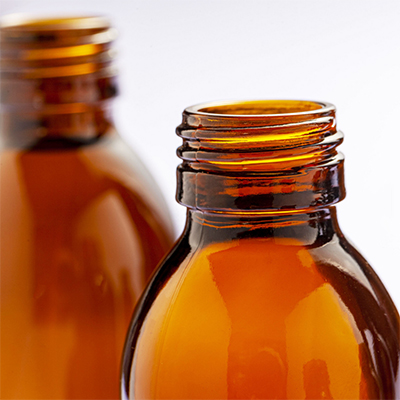
- UV Protection (Amber Glass): For photosensitive syrups (often used in medicinal or herbal contexts), amber glass filters out UV radiation that causes photochemical degradation.
The “Is It?” Validation: Thermal Shock Resistance
When sourcing syrup bottles for canning, the most critical metric is thermal shock resistance.
- Is the bottle capable of hot-filling? Yes, but only if the Delta T ($\Delta T$)—the temperature difference between the glass and the liquid—is managed.
- Why? Standard soda-lime glass can generally withstand a thermal shock of about 42°C (75°F). If you pour 85°C syrup into a 20°C bottle, the glass may experience thermal stress fractures. Professional glass manufacturers anneal the bottles to relieve internal stresses, making them suitable for commercial canning lines where bottles are pre-heated.
Commercial Canning Specifications for Syrup
Successful packaging of syrup requires more than just a leak-proof container; it requires a vessel engineered for the preservation process.
Hot-Fill and Vacuum Creation
The preservation of syrup often relies on the hot-fill method. The syrup is heated to pasteurization temperatures (typically 180°F – 190°F / 82°C – 88°C) and filled directly into the syrup bottles glass.
- Headspace: A professional glass mold design includes precise volume tolerances to allow for headspace. As the hot syrup cools, it contracts.
- Vacuum Seal: This contraction creates a vacuum. If the neck finish of the bottle is not perfectly flat (a defect known as a “saddle finish”), the liner will not seal, and the vacuum will fail.
Neck Finishes and Closures
In the wholesale syrup bottles market, the neck finish is the interface between the product and the consumer.
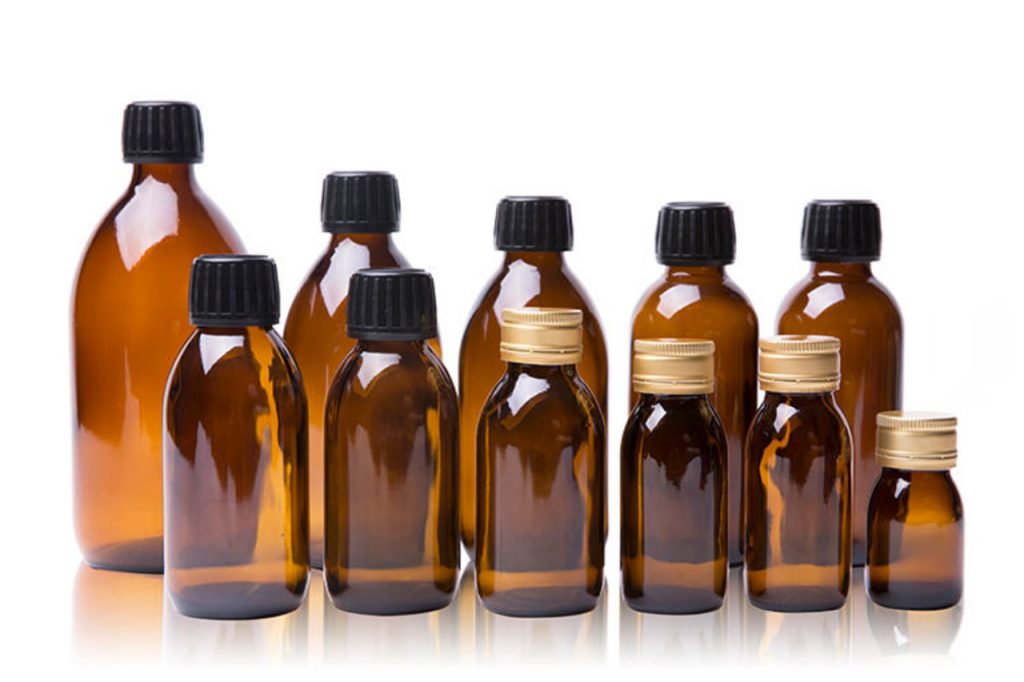
- Continuous Thread (CT): The standard screw-on cap (e.g., 28-400 or 38-400 GPI standards). Ideal for multi-use syrups (pancakes, coffee flavoring) where the consumer opens and closes the bottle repeatedly.
- Ropp (Roll-On Pilfer Proof): Requires specific capping machinery. The aluminum cap is formed around the glass threads after filling. This provides the highest level of tamper evidence but requires precise glass forming to prevent breakage during the capping pressure.
- Lug/Twist-Off: Common in wider-mouth jars but less common for pourable syrups.
Wholesale Sourcing: Navigating the Supply Chain
When you are ready to purchase glass syrup bottles wholesale, you move from technical engineering to logistics. The manufacturing of glass is a high-volume, continuous process using IS (Individual Section) machines.
Mold Costs and Minimum Order Quantities (MOQ)
- Stock Molds: These are “off-the-shelf” designs (like the classic “Woozy” bottle or the “Marasca” square bottle). MOQs are lower (often one pallet) because the mold already exists.
- Private Molds: Creating a custom shape for your brand. This involves a set of “blank molds” and “blow molds.” While this ensures brand uniqueness, it requires a significant upfront investment and higher MOQs (typically 50,000+ units) to amortize the mold cost and machine setup time.
Palletization and Shipping
Glass is heavy and dense. Logistics calculation is vital.
- Bulk Pack: Bottles are stacked in layers on a pallet with dividers (tier sheets) and shrink-wrapped. This is for automated filling lines that have “depalletizers.”
- Carton Pack: Bottles are packed in cardboard boxes (usually 12 or 24 pack) and then palletized. This is better for smaller operations where bottles are manually loaded onto the filling line.
Industry Case Study: The “Maple Gold” Transition
To illustrate the technical nuances of sourcing syrup bottles for canning, we present a real-world scenario from our client portfolio (name anonymized as “Maple Gold Reserves”).
The Challenge
Maple Gold Reserves was a mid-sized producer using HDPE plastic jugs. They faced two problems:
- Oxygen Transmission: Their premium Grade A syrup was darkening after 6 months on the shelf due to the permeability of plastic.
- Retail Perception: They wanted to enter high-end boutique markets, but the plastic jug signaled “commodity” rather than “luxury.”
The Solution: Engineered Glass
They approached us for a wholesale syrup bottles solution. They initially requested a standard round bottle.
- Consultation Phase (The “Why”): We asked, “Why a round bottle?” Round bottles are efficient, but on a crowded shelf, they can rotate and hide the label. We suggested a custom square-edged flask design (250ml and 500ml).
- Technical Implementation: We utilized Super Flint Glass to maximize the visibility of the syrup’s golden color.
- The Canning Factor: The client utilized a hot-fill process at 185°F. We provided bottles with a reinforced base (“push-up”) to handle the thermal shock and ensure stability on the conveyor belt.
- Closure: We matched the glass with a 28-400 Phenolic Cap with a PVDC (Polyvinylidene Chloride) liner. This liner is specifically resistant to sugar and acids, preventing the “sticky cap” syndrome often found in cheap metal lids.
The Result
After switching to the custom syrup bottles glass, Maple Gold Reserves reported:
- Shelf Life Extension: Visual clarity and taste profile remained stable for 24+ months (up from 12 months in plastic).
- Market Penetration: The heavy weight of the glass bottle communicated “value” to consumers, allowing the brand to increase the unit retail price by 35%, covering the increased logistics cost of glass and generating higher net margin.
Quality Control Standards in Glass Manufacturing
When evaluating a supplier for glass syrup bottles wholesale, you must verify their QC protocols. Glass defects are categorized into three levels:
- Critical Defects: Hazardous to the user (e.g., bird swings, spikes inside the bottle). Tolerance should be 0.
- Major Defects: Affect function (e.g., out-of-round neck, saddle finish that prevents sealing). These make the syrup bottles for canning useless.
- Minor Defects: Aesthetic only (e.g., small seeds/bubbles, slight mold seams).
GlassBottleSupplies.com employs automatic inspection machines combined with manual checks to ensure that the neck finish—the most critical part of the bottle—is within strict GPI tolerances.
Sustainable Packaging: The Glass Lifecycle
Finally, the shift to syrup bottles glass is a sustainability narrative. Glass is 100% recyclable and can be recycled endlessly without loss of quality or purity.
- Cullet Usage: We incorporate cullet (recycled broken glass) into our furnace mix. This lowers the melting temperature required, reducing energy consumption during manufacturing.
- Consumer Reuse: High-quality syrup bottles are rarely thrown away by consumers immediately; they are often repurposed in the home for oils, vinegars, or homemade sauces, keeping your brand visible in the consumer’s kitchen long after the product is consumed.
Summary Checklist for Buyers:
- Verify the Finish: Ensure your cap liner matches the glass finish (GPI 28-400, etc.).
- Check Thermal Specs: Confirm the glass is annealed for hot-fill canning temperatures.
- Calculate Weight: Glass shipping costs are weight-based; optimize pallet density.
- Inspect Samples: Always request physical samples to test on your capping line before ordering a full container.
For premium syrup brands, the bottle is more than a container—it is the silent salesman. Choosing the right wholesale syrup bottles requires balancing aesthetic elegance with engineering rigor.