 GlassBottleSupplies












Sales manager will contact you within 24 hours
Roller or Dropper: Which Maximizes Clinical Efficacy?
Introduction
In the therapeutic application of volatile organic compounds (VOCs), specifically plant-derived essential oils, the delivery vector is as critical as the compound itself. For professionals in dermatology, aromatherapy, and functional medicine, the debate isn’t just aesthetic—it is about pharmacokinetics. Choosing between roller bottles for essential oils and essential oil dropper bottles dictates the absorption rate, oxidation exposure, and patient compliance. This analysis explores the bioavailability differences and safety profiles of these distinct packaging mechanisms.
The Pharmacokinetics of Application
When an essential oils bottle is opened, the countdown to degradation begins.
- Oxidation Kinetics: Dropper bottles expose the oil to oxygen every time the pipette is removed. This rapid oxidation can alter the chemical composition of terpene-rich oils (like Citrus limon), turning therapeutic agents into skin irritants.
- Transdermal Delivery: Roller essential oil bottles utilize a “closed-loop” application. The stainless steel or glass ball creates a friction-based release mechanism. This massages the epidermis during application, increasing local blood flow and potentially enhancing the absorption of the lipid-soluble compounds through the stratum corneum.
Dosage Precision: The Medical Perspective
In a clinical setting, “drops” are a notoriously inaccurate unit of measure. The viscosity of the oil, the temperature, and the aperture of the pipette tip affect drop size.
- Dropper Variance: A standard milliliter can range from 20 to 40 drops depending on viscosity. This variance is unacceptable for potent phenols like Oregano or Thyme oil.
- Roller Consistency: Roller bottles dispense a thin, controlled film. This is ideal for pre-diluted blends (typically 2-5% dilution in a carrier oil), ensuring the patient cannot accidentally apply a toxic dose of undiluted oil.
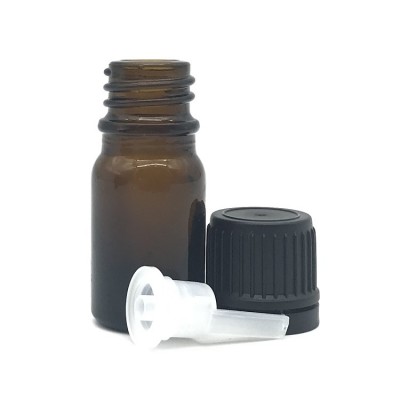
H2: Comparative Analysis of Packaging Materials
| Feature | Roller Bottles (Steel/Glass Ball) | Dropper Bottles (Euro/Pipette) |
| Air Exchange | Minimal (Hermetic seal via ball housing) | High (Full aperture opening) |
| Contamination Risk | Moderate (Skin debris backflow) | Low (No direct skin contact) |
| Viscosity Suitability | Low to Medium (Carrier oil blends) | Medium to High (Pure absolutes/resins) |
| Clinical Indication | Topicals (Pain, Anxiety, Dermatitis) | Inhalation, Diffusion, Internal (if safe) |
CLINICAL CASE STUDY #049-A: Contact Dermatitis Management
Institution: Center for Integrative Dermatology & Immunology
Patient ID: F-34-902
Date of Admission: Oct 12, 2024
Subjective:
Patient is a 34-year-old female presenting with acute erythematous patches and vesicles on the volar aspect of both wrists. Patient reports using “Pure Lavender Oil” for anxiety management, applying “3-4 drops” directly to wrists twice daily for 14 days using standard essential oil dropper bottles.
Objective:
- Visual Exam: Well-demarcated erythema consistent with allergic contact dermatitis (ACD).
- Patch Test: Positive reaction to oxidized Linalool (a primary constituent of Lavender).
- Analysis: The patient’s dropper bottle showed signs of closure failure (cracked rubber bulb), leading to rapid oxidation of the oil. Furthermore, the “drop” application resulted in an estimated 150mg of undiluted oil per application—a toxic load for sensitized skin.
Assessment:
Chemical burn and sensitization secondary to improper dosage and oxidized product application.
Plan & Intervention:
- Discontinue use of current product immediately.
- Prescribe topical corticosteroid for acute inflammation.
- Re-Introduction Protocol (Post-Recovery): Switched patient to roller bottles for essential oils (10ml Amber Glass).
- Formulation: 2% Lavender (Lavandula angustifolia) in Fractionated Coconut Oil.
- Mechanism: The roller ball restricts output to approx. 0.05ml per swipe, preventing overdose. The carrier oil creates a lipid barrier, reducing evaporation and irritation.
Outcome (Follow-up Nov 10, 2024):
Patient reports effective anxiety management with zero dermal irritation. The roller mechanism ensured consistent, safe micro-dosing.
Conclusion
For manufacturers and brands, the choice of essential oils bottle is a liability decision. Roller essential oil bottles are the superior choice for ready-to-use topical applications where safety and dosage control are paramount. Essential oil dropper bottles remain the gold standard for pure stock oils intended for diffusion, but they require rigorous consumer education regarding oxidation risks.