 GlassBottleSupplies












Sales manager will contact you within 24 hours
Does Glass Quality Affect Oil Potency?
Introduction A pristine formulation in a compromised vessel is a failed product. In the B2B supply chain of botanical extracts, the interaction between the volatile solvent (the essential oil) and the container surface is a dynamic chemical process. High-end brands often focus on the purity of the oil but neglect the essential oils bottle that houses it. Whether utilizing roller essential oil bottles or standard droppers, the integrity of the glass—specifically its hydrolytic resistance and UV filtration capability—is the final guardian of shelf life.
The Physics of Glass and Light Essential oils are photosensitive. Ultraviolet (UV) radiation triggers free radical formation within the oil, leading to polymerization.
- The Amber Standard: True amber glass (sulfur and iron oxide enriched) blocks light wavelengths below 450nm. Painted glass, often sold by low-cost suppliers, offers zero protection against UV radiation.
- Blue and Cobalt: While aesthetically pleasing, cobalt blue glass allows more blue/violet light penetration than amber, making it less suitable for highly unstable oils like citruses unless treated with UV-blocking coatings.
The “Leaching” Phenomenon in Roller Assemblies The most critical failure point in roller bottles for essential oils is not the glass, but the housing (fitment).
- Plastic vs. Steel: Essential oils are powerful solvents. They can dissolve petrochemical plastics. Low-density polyethylene (LDPE) fitments can leach phthalates into the oil.
- The Medical Grade Solution: High-quality manufacturers use High-Density Polyethylene (HDPE) or Glass-on-Glass mountings for the roller ball. This prevents the “clouding” effect seen in cheaper bottles, which is actually dissolved plastic contaminating the therapeutic product.
H2: Selecting the Right Closure System
When sourcing essential oil dropper bottles, the rubber bulb (teat) is the weak link.
- Natural Rubber: Rapidly degrades when exposed to vaporized oil; turns sticky and melts.
- Nitrile/Silicone: superior chemical resistance.
- Tamper-Evident Seals: Crucial for maintaining a sterile chain of custody from factory to end-user.
SUPPLY CHAIN INCIDENT REPORT: Batch #882-QC Failure
Entity: Herbal Pharmaceuticals Logistics Div. Date of Incident: August 14, 2024 Product Involved: Tea Tree (Melaleuca alternifolia) in 10ml Roller Units
Incident Description: A lot of 5,000 units was recalled from distribution centers after pharmacists reported a “milky suspension” visible within the clear glass roller housing of the roller essential oil bottles.
Root Cause Analysis (Laboratory):
- Gas Chromatography-Mass Spectrometry (GC-MS): Analysis of the contaminated oil revealed peaks consistent with Polypropylene glycol and plasticizers not native to Melaleuca oil.
- Microscopy: The plastic housing holding the steel roller ball showed signs of microscopic erosion and pitting.
Investigation Findings: The procurement department had switched to a secondary supplier for the roller fitments to reduce costs by 15%. The new supplier utilized standard cosmetic-grade plastic rather than the specified chemically resistant HDPE. The monoterpenes in the Tea Tree oil acted as a solvent, effectively dissolving the roller mechanism into the product over a period of 45 days.
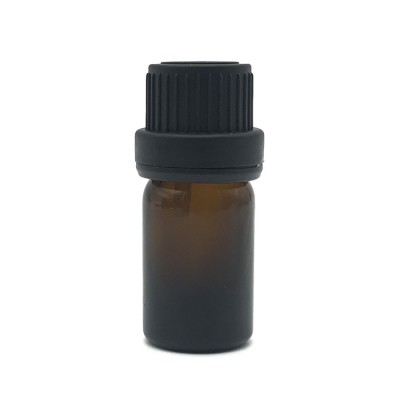
Financial & Clinical Impact:
- Direct Loss: $42,000 in inventory destruction.
- Brand Damage: Immediate recall issued to 400 retail partners.
- Corrective Action: Implementation of mandatory immersion testing (72-hour soak test) for all packaging components prior to mass filling. Transitioned exclusively to glass-housing rollerballs for all terpene-heavy oils.
The Manufacturing Imperative For brands utilizing essential oils bottle supply, “Medical Grade” is not a marketing buzzword; it is a chemical necessity. The interaction between essential oil dropper bottles‘ rubber bulbs or roller essential oil bottles‘ fitments and the product can induce toxicity. Manufacturers must provide certification of hydrolytic resistance (Type I or Type II glass) and compatibility data for closure systems.
Conclusion The vessel defines the value. A consumer does not just buy oil; they buy a delivery system. By ensuring your roller bottles for essential oils are equipped with inert housings and UV-filtering glass, you are protecting not just the product, but the patient’s health and your brand’s longevity.