 GlassBottleSupplies











Sales manager will contact you within 24 hours
Essential Oil Packaging Guide: Chemical Compatibility and Customization Mastery
In the cosmetic and wellness industry, packaging serves two distinct masters: Marketing and Chemistry. A visually stunning bottle might sell the product once, but if the container degrades due to chemical incompatibility, you lose the customer forever.
For procurement managers sourcing essential oil dropper bottles or roller bottles for essential oils, the challenge is navigating the intersection of aesthetic design and functional stability. This guide explores the critical decisions regarding glass color, dropper bulb materials, and advanced decoration techniques that define premium brands.
The Physics of Light: Why Glass Color Matters More Than You Think
When selecting an essential oil roller bottle, the first question is usually about color. Is it just for branding? The “Is it?” Question: Is colored glass simply a stylistic choice? The “Why?” Answer: No. It is a functional shield against photonic degradation.
Essential oils are complex mixtures of volatile organic compounds (VOCs). Light energy, particularly UV radiation, can break chemical bonds in these compounds, causing oxidation. This turns a therapeutic oil into a skin irritant.
1. True Amber vs. Sprayed Amber
This is the most common pitfall for new brands.
- True Amber Glass: Sulfur and iron oxide are added to the molten glass mixture during furnace production. This filters out the majority of UV radiation naturally. It is the gold standard for essential oils roller bottles.
- Sprayed/Coated Glass: Clear glass is painted amber. While it looks identical to the naked eye, scratches can reveal the clear glass underneath, compromising protection. As a professional manufacturer, we recommend “mass-colored” (furnace-made) glass for any light-sensitive formulation.
2. Cobalt Blue and Green
While Amber offers the broadest protection, Cobalt Blue and Green glass (often used for roller essential oil bottles) provide sufficient protection for less volatile blends and offer a premium, pharmaceutical aesthetic that stands out on retail shelves.
The Dropper Dilemma: Bulb Material Science
When sourcing essential oil dropper bottles, the glass vial usually performs well. The failure point is almost always the rubber bulb (teat).
The “Is it?” Question: Are all dropper bulbs the same rubber? The “Why?” Answer: Absolutely not. The wrong rubber will “melt” or swell when in contact with essential oils.
Essential oils are powerful solvents. They can dissolve petrochemicals. If you notice a dropper bulb becoming sticky, misshapen, or “melting” after three months, it is a material incompatibility issue.
Bulb Material Hierarchy:
- Natural Rubber: Good elasticity but poor chemical resistance. Not recommended for concentrated citrus or pine oils.
- NBR (Nitrile Butadiene Rubber): The industry standard for oil resistance. It resists swelling when exposed to most essential oils and carrier oils.
- Silicone: Excellent heat resistance and inertness, but some specific oils can cause silicone to swell.
- TPE (Thermoplastic Elastomer): The modern, eco-friendly choice. It is recyclable and offers high chemical resistance for aggressive formulations.
Pro-Tip for Buyers: When ordering essential oil dropper bottles, always declare your ingredients to the manufacturer. We match the bulb material (NBR vs. TPE) to your specific oil profile to prevent shelf-life disasters.
Customization: Elevating the Essential Oil Roller Bottle
Once stability is secured, the focus shifts to branding. How do you make a standard 10ml essential oil roller bottle look like a $50 luxury item?
Beyond the Paper Label
Paper labels are cost-effective but have a fatal flaw: oil lifts adhesive. The moment a drop of oil runs down the side of the bottle, the label stains and peels.
1. Silk Screen Printing
We print your logo and text directly onto the glass surface using ceramic inks, which are then cured at high temperatures.
- Advantage: The text is permanent, oil-proof, and feels tactile. It transforms generic roller bottles for essential oils into custom brand assets.
2. Hot Stamping
For a luxury touch, gold or silver foil is heat-transferred onto the glass (usually combined with silk screening). This is highly effective for high-end essential oil dropper bottles used in facial serums, reflecting light and catching the consumer’s eye.
3. Electroplating and Spraying
We can coat the glass in matte finishes, gradients, or metallic sheens. A “Gradient Matte Black” fading to clear at the bottom allows the user to see the product level while maintaining a mysterious, premium look.
Case Study: The “Melting Bulb” Crisis
Client Profile: “Lumina Botanicals” (Name changed for privacy), a startup specializing in highly concentrated citrus blends for diffusers.
The Problem: Lumina sourced 50,000 essential oil dropper bottles from a low-cost generic supplier. Their flagship product, “Morning Zest” (Lemon, Lime, and Grapefruit concentrate), was a hit. However, three months post-launch, retailers began returning stock. The black dropper bulbs had turned into a sticky, tar-like substance that was dissolving into the oil.
The Analysis: Our lab tested the returned samples. The generic supplier had used standard natural rubber bulbs. The high Limonene content in the citrus oils acted as a solvent, breaking down the rubber polymer chains. This not only ruined the packaging but contaminated the product, posing a significant health risk.
The Solution: Lumina approached us for an emergency solution.
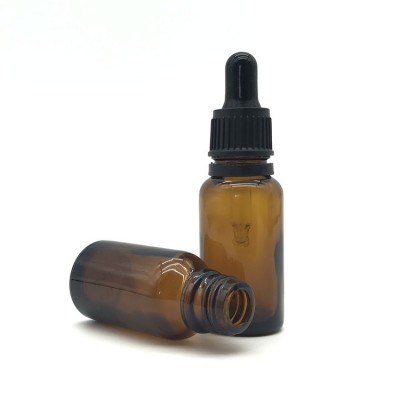
- Immediate Material Switch: We supplied essential oil dropper bottles equipped with High-Grade NBR (Nitrile) bulbs. NBR is specifically engineered to resist hydrocarbon solvents found in citrus rinds.
- Glass Upgrade: We moved them to a heavy-bottomed DIN18 standard glass bottle to improve stability and perceived value.
- Testing: We conducted a 30-day accelerated aging test (oven test) with their specific oil blend to guarantee no swelling occurred.
The Outcome: Lumina relaunched with the new packaging. The “sticky bulb” issue vanished. Furthermore, the perceived quality of the NBR bulb (which is firmer and less porous) improved the user’s tactile experience. This saved the brand’s reputation and allowed them to expand into roller essential oil bottles for a travel line using the same NBR-safe gasket technology.
Best Practices for Sourcing in 2025
If you are looking to buy roller bottles for essential oils or droppers, follow this checklist to ensure professional results:
- Ask for “Vacuum Tests”: For rollers, ask the manufacturer if they perform negative pressure tests to ensure the ball fitment doesn’t leak during air transport.
- Check the Pipette Shape: For droppers, do you want a round tip (standard), a bent tip (hard to reach corners), or a pointed tip (precision dosage)?
- Cap-Finish Compatibility: Ensure the cap threading matches the bottle neck (e.g., DIN18, 18/410, 18/415). A mismatch here causes “stripping” where the cap never tightens fully.
- Sample First: Never buy bulk without testing your specific oil formulation in the sample essential oils roller bottles.
Conclusion
Packaging is the vessel of your brand’s promise. A leaking essential oil roller bottle or a dissolving dropper bulb breaks that promise. By understanding the interaction between glass types, rubber materials, and essential oils, you can make informed decisions that protect your product and delight your customers.