 GlassBottleSupplies












Sales manager will contact you within 24 hours
Roller vs. Dropper: The Engineering Behind Perfect Essential Oil Packaging
In the competitive world of aromatherapy and cosmetic packaging, the vessel is as critical as the formulation it holds. For brand owners and procurement managers, choosing between an essential oil roller bottle and a dropper assembly is not merely an aesthetic choice—it is a decision rooted in viscosity physics, user experience, and chemical compatibility.
This guide moves beyond surface-level descriptions to explore the manufacturing standards, glass engineering, and functional mechanics of roller bottles for essential oils. We will also analyze how they compare to essential oil dropper bottles to help you make the definitive choice for your product line.
The Anatomy of a High-Performance Roller Bottle
When sourcing essential oils roller bottles, the difference between a premium product and a leaking liability lies in the microscopic tolerances of the components. A standard roller bottle consists of three critical units: the glass vial, the fitment (housing + ball), and the cap.
1. The Glass Matrix: Type III Soda-Lime
For most cosmetic applications, the industry standard is Type III Soda-Lime glass. Unlike borosilicate glass (often used in lab settings), Type III glass offers excellent clarity and sufficient chemical resistance for essential oils, provided it is manufactured with uniform wall thickness.
- UV Protection: Essential oils are volatile. High-quality amber and cobalt blue roller essential oil bottles are not just painted; they are produced using mass-colored glass (color added to the melt). This provides permanent protection against UV light in the 200nm to 400nm range, preventing the photo-oxidation of sensitive oils like Bergamot or Rose Hip.
2. The Mechanics of the Roller Fitment
This is the heart of the essential oil roller bottle. The fitment dictates the “glide” and the dosage.
- The Ball: Materials vary between Stainless Steel (304 or 316 grade), Glass, and Gemstones. Stainless steel is preferred for its weight and smooth rotation.
- The Housing: Usually made of PE (Polyethylene) or PP (Polypropylene). The critical engineering factor here is the tolerance gap.
- Too Tight: The ball seizes, and the customer drags dry glass across their skin.
- Too Loose: The classic “purse disaster”—uncontrolled leakage.
Professional manufacturers test these housings for “vacuum retention” to ensure that the oil only flows when physical pressure breaks the seal during application.
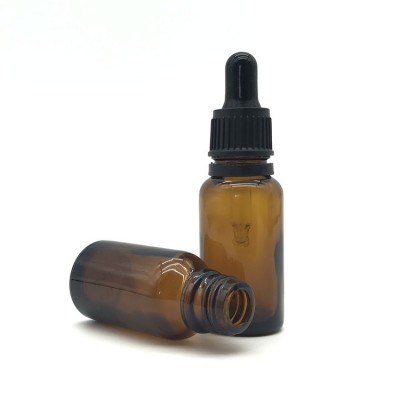
Roller Bottles vs. Essential Oil Dropper Bottles: The Viscosity Factor
Why do some brands choose roller bottles for essential oils while others opt for essential oil dropper bottles? The answer lies in the “Why” of application and viscosity.
The Case for Roller Essential Oil Bottles
Rollers are designed for diluted topical application.
- Viscosity Range: Best for low to medium viscosity blends (e.g., fractionated coconut oil bases).
- User Behavior: Targeted application on pulse points (wrists, temples). The mechanical action of the rolling ball provides a mini-massage, enhancing absorption.
- Convenience: The “on-the-go” solution. No risk of spilling an open bottle.
The Case for Essential Oil Dropper Bottles
Droppers (pipettes) are the standard for pure concentrates or high-viscosity serums.
- Dosage Precision: When a formulation requires exactly 3 drops (e.g., for a diffuser or a face blend), a roller cannot compete.
- Hygiene: Essential oil dropper bottles allow the user to dispense the product without touching the applicator to the skin, preventing bacterial back-flow into the bottle—crucial for facial serums.
- Viscosity Handling: Thick oils like Vetiver, Patchouli, or Benzoin can clog a roller ball mechanism. These dense fluids require the wide aperture of a glass pipette.
Manufacturing Insight: The “Leaking” Myth and How We Solve It
A common complaint in the industry regarding essential oils roller bottles is leakage. Often, this is blamed on the glass, but the culprit is usually the interaction between the essential oil and the plastic housing.
The “Limonene Effect”
Citrus oils (Lemon, Orange, Grapefruit) contain high levels of Limonene. Over time, Limonene can degrade low-quality rubber or specific plastics, causing the fitment to shrink or warp. This creates a gap around the ball, leading to leaks.
High-end roller bottles for essential oils utilize specialized chemically resistant polymers for the housing ensuring that even “hot” oils like Cinnamon or Citrus do not compromise the seal integrity over a 24-month shelf life.
Real Product Case Study: The “Sleep-Well” Blend Solution
To illustrate the importance of selecting the right essential oil roller bottle, let us look at a real-world scenario from our client archives (Client name anonymized as “NatureSoothe”).
The Challenge
NatureSoothe, a mid-sized aromatherapy brand, launched a “Deep Sleep” roll-on. The formula was a blend of Lavender and heavy Vetiver oil in a Jojoba base. They initially sourced generic roller essential oil bottles from a general trading company. Within two months, they faced a 15% return rate. Customers complained that the roller ball “stuck” and wouldn’t dispense the oil.
The Technical Analysis
Upon receiving the defective samples, our engineering team identified the issue:
- Viscosity Mismatch: The Vetiver made the blend too thick for the standard “tight-fit” housing they were using.
- Friction: The generic plastic ball had a microscopic seam (molding artifact) that caught on the housing when lubricated by the thick oil.
The Solution
We transitioned NatureSoothe to a customized solution:
- Bottle: 10ml Amber Glass (Type III) for UV protection.
- Ball: Switched to a 304 Grade Stainless Steel Ball. The added weight of the steel helped push through the viscous Vetiver blend.
- Housing: We selected a “High-Flow” fitment with a 0.1mm wider clearance specifically designed for serum-like viscosities.
The Result
The re-launch was a success. The smoother application improved customer satisfaction scores (CSAT) by 40%. The leakage rate dropped to near zero because the steel ball sat perfectly in the housing, creating a proper seal when not in use. This proves that sourcing the right essential oils roller bottles is not just about buying glass; it’s about engineering compatibility.
Customization and Branding for B2B Buyers
In a saturated market, your packaging must stand out. Glass bottle supplies are no longer just clear or amber.
- Frosted Finishes: Acid etching creates a premium, velvet-touch feel that also diffuses light.
- Silk Screen Printing: Direct printing on the bottle eliminates the need for paper labels that can peel off when exposed to oil.
- Hot Stamping: adding gold or silver foil to the text elevates the perceived value of roller bottles for essential oils.
How to Choose: A Quick Checklist for Buyers
Before placing a bulk order, ask these questions to ensure quality:
- What is the carrier oil? Thinner oils (MCT) need tighter housings; thicker oils (Castor/Jojoba) need high-flow housings.
- Is the glass colored or painted? Always scratch-test samples. True colored glass (Amber/Blue) is safer than surface-painted clear glass which can chip.
- Do you need droppers or rollers? If your product is for diffusion, buy essential oil dropper bottles. If it is for topical therapy, buy rollers.
- Ball Material? Steel provides the most premium feel; plastic is budget-friendly; gemstone is for niche “energy” markets.
Conclusion
The humble essential oil roller bottle is a marvel of simple engineering. It bridges the gap between a potent chemical formulation and the end-user’s daily routine. Whether you are packaging a headache relief blend in roller essential oil bottles or a luxury facial serum in essential oil dropper bottles, the quality of the glass and the precision of the fitment define your brand’s reputation.