 GlassBottleSupplies












Sales manager will contact you within 24 hours
Mastering Aromatherapy Oil Packaging: The Science of Glass and Brand Identity
Choosing the right aromatherapy oil bottles is not merely a logistical decision; it is a critical intersection of chemistry, preservation, and luxury marketing. For brands looking to scale, the transition from generic containers to custom aromatherapy bottles represents a pivotal shift in product shelf-life and consumer trust.
In this comprehensive guide, we explore the technical requirements of glass packaging, the impact of UV filtration, and how professional labeling transforms a simple vial into a high-end wellness product.
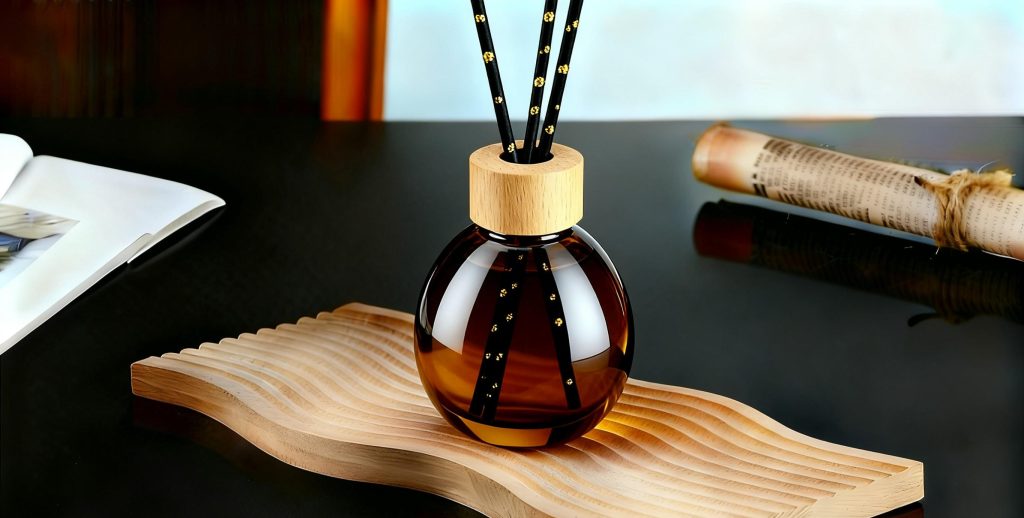
1. Why Glass Remains the Gold Standard for Essential Oils
Before diving into aesthetics, we must address the “why.” In the cosmetic glass industry, we prioritize Type III soda-lime or borosilicate glass for a reason.
Chemical Inertia and Purity
Essential oils are volatile organic compounds. Unlike plastics (PET or HDPE), which can undergo “leaching” or “crazing” when in contact with potent oils like citrus or peppermint, glass is chemically inert. It ensures that the chemical profile of the oil remains unchanged from the factory to the end consumer.
The UV Shield: Amber vs. Cobalt vs. Violet
When sourcing bottles for aromatherapy oils, color is your first line of defense.
- Amber Glass: The industry standard. It absorbs nearly all UV radiation under 450nm, providing the best protection against photo-oxidation.
- Cobalt Blue: Visually striking but offers less protection against thermal infrared light compared to amber.
- Ultraviolet (Miron) Glass: The premium choice for high-end serums, allowing only violet and infrared light to pass, which can actually help preserve bio-energy.
2. Technical Specifications of Professional Aromatherapy Bottles
A high-quality bottle is defined by its tolerances and finish. If you are sourcing for a production line, these three technical factors are non-negotiable:
Neck Finish and DIN Standards
Most aromatherapy bottles use a DIN 18 neck finish. This is a European standard ensuring that tamper-evident (TE) droppers and vertical orifice reducers fit with a hermetic seal. A poor neck finish leads to oxidation and leakage during shipping.
Hydrolytic Resistance
For medical-grade or professional aromatherapy, the glass must meet specific hydrolytic resistance levels to ensure that the alkalinity of the glass surface doesn’t drift the pH of the essential oil over time.
Vertical Load Strength
In mass distribution, bottles are stacked. Professional-grade glass must withstand specific vertical pressure (measured in Newtons) to prevent shattering during automated filling and palletized transport.
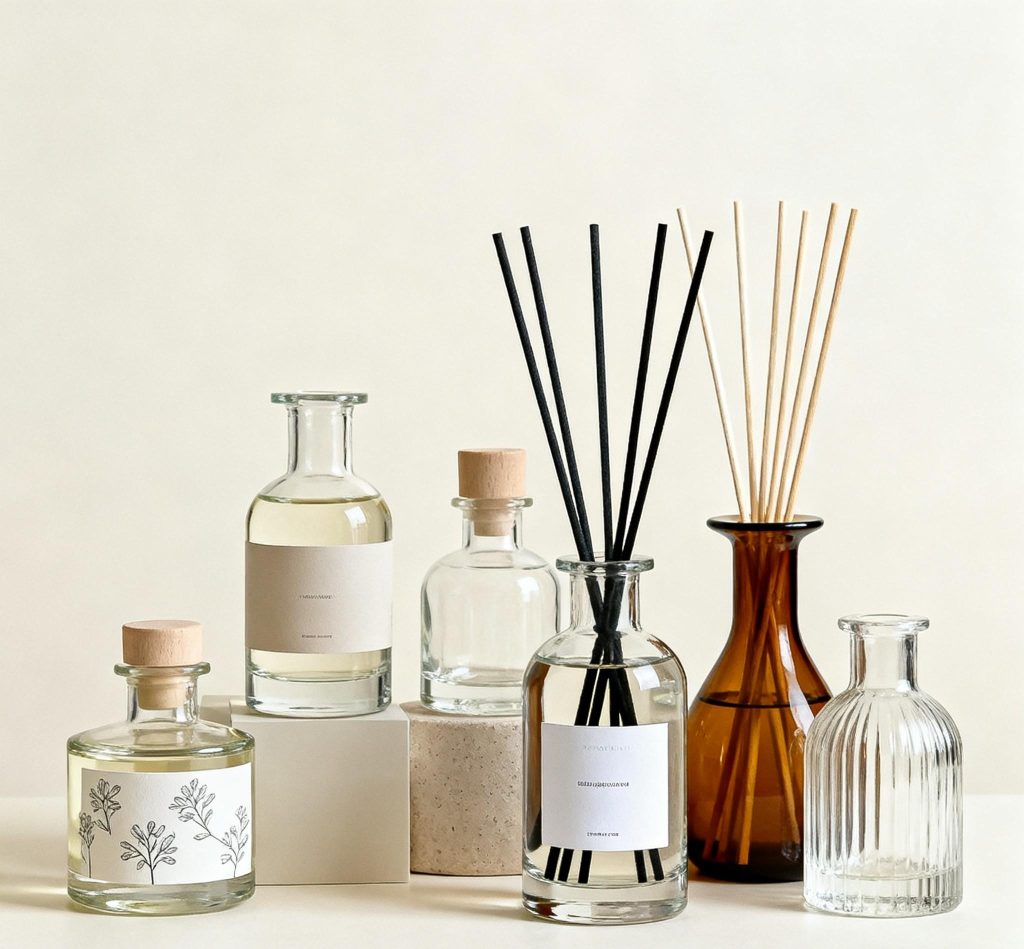
3. The Power of Customization: Elevating Your Brand
Standard stock is for hobbyists; custom aromatherapy bottles are for market leaders. Customization in the glass industry involves more than just a logo.
- Frosted vs. Clear: Acid etching (frosting) provides a tactile, luxury feel and diffuses light further.
- Screen Printing vs. Labels: While aromatherapy bottle labels are versatile, direct silk-screen printing with organic inks offers a “no-label” look that is synonymous with high-end cosmetic houses.
- Precision Droppers: The choice between a glass pipette, a plastic orifice reducer, or a luxury pump depends entirely on the viscosity of your oil blend.
4. Case Study: Redesigning the “Aura Wellness” Signature Line
The Client: A mid-sized wellness brand based in California. The Challenge: Their previous supplier provided low-quality glass that resulted in a 5% breakage rate and significant oil leakage during air freight.
The Solution: We transitioned their line to a custom aromatherapy bottle series with the following specs:
- Material: High-clarity Amber Type III Glass with reinforced bases.
- Closure: Custom-molded matte black tamper-evident caps with integrated orifice reducers.
- Labeling: We utilized 3M oil-resistant synthetic stock for their aromatherapy bottle labels, ensuring that even if oil dripped down the side, the branding remained pristine and legible.
The Result: Within six months of the relaunch, Aura Wellness reported a 40% increase in repeat purchases. Customers specifically cited the “premium feel” and “leak-proof design” in verified reviews. Shipping insurance claims dropped by 98%.
5. Strategic Placement of Labels and Branding
When designing aromatherapy bottle labels, compliance and aesthetics must coexist. In the US (FDA) and EU (EC No 1223/2009), certain information is mandatory:
- Latin name of the botanical.
- Extraction method (e.g., Cold Pressed, Steam Distilled).
- Batch number and expiration date (usually printed on the bottom or side).
Pro-Tip: Use a “Wrap-Around” label with a 2mm gap to allow the consumer to see the remaining oil level without rotating the bottle fully.
6. Sourcing Intelligence: What to Ask Your Manufacturer
If you are communicating with a factory like Glass Bottle Supplies, use these professional queries to vet quality:
- “What is the annealing schedule for your 10ml amber vials?” (Ensures durability).
- “Do you provide USP Type III certification?”
- “Can you offer lead-free silk screen printing?”
Summary: The Future of Wellness Packaging
The aromatherapy market is moving toward sustainability and “Pharma-Cosmetic” hybrids. By investing in high-quality aromatherapy oil bottles, you aren’t just buying a container; you are buying a shelf-life guarantee and a brand promise.
Whether you are a startup or an established manufacturer, the bottle is the first touchpoint your customer has with your product. Make it count.