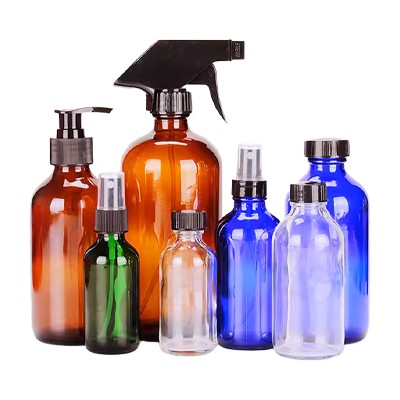
Selecting the right packaging is more than a branding exercise; it is a fundamental preservation strategy. If you are sourcing essential oil bottles wholesale, you likely understand that the efficacy of a botanical extract is only as strong as the glass protecting it. Whether you are scaling a wellness brand or a DIY enthusiast, the intersection of material science and functional design determines your product’s shelf life.
From dark glass bottles for essential oils that mitigate photo-oxidation to precision-engineered essential oil bottles and droppers, this guide explores the industry standards required to maintain therapeutic integrity.
The Science of Photochemical Protection
The primary enemy of essential oils is UV radiation. High-energy light waves can break down the complex chemical bonds in oils like Lemon, Bergamot, or Lavender, leading to a process called oxidation. Once oxidized, an oil loses its therapeutic benefits and can become a skin irritant.
Amber Glass: This is the industry gold standard. Amber glass filters out blue and ultraviolet light, offering the highest level of protection for light-sensitive compounds.
Cobalt Blue & Emerald Green: While aesthetically striking and popular for spray bottles for essential oils, these colors provide slightly less UV protection than amber but are significantly better than clear glass.
Violet Glass (Miron): Often used for premium, high-end tinctures, it blocks the entire spectrum of visible light except for violet and infrared, which can actually preserve organic matter longer.
Choosing the Right Closure: Droppers vs. Sprayers
The delivery system is just as vital as the bottle itself. When browsing essential oil bottles and droppers, you must consider the “Euro Dropper” versus the “Pipette Dropper.”
Euro Droppers: These are small plastic inserts that sit inside the neck. They are ideal for high-potency oils where dosage must be controlled drop-by-drop. They also provide a tighter seal, reducing oxygen exposure.
Glass Pipettes: Perfect for serums or carrier oil blends. They offer a premium feel and allow the user to see exactly how much product they are extracting.
Fine Mist Sprayers: When sourcing spray bottles for essential oils, ensure the dip tube is made of high-density polyethylene (HDPE) or similar materials that won’t degrade when in contact with concentrated terpenes.
Type I (Borosilicate Glass): The most chemically inert. It has high resistance to thermal shock and is often used in laboratory settings.
Type III (Soda-Lime Glass): This is the most common glass used for essential oils. It is durable, recyclable, and provides excellent chemical stability for aromatic compounds.
Pro Tip: Always check the “neck finish” (e.g., 18/410 or 20/400). This measurement ensures that your droppers, sprayers, and caps are perfectly airtight to prevent evaporation.
#image_title
Case Study: The “EverGlow” Botanical Transformation
The Client: Aria Organics, a mid-sized wellness startup based in Oregon.
The Challenge: Aria was experiencing a 15% return rate due to “scent profile changes” and leaking during transit. They were using clear glass bottles with low-quality plastic sprayers.
The Solution:
We transitioned their entire line to dark glass bottles for essential oils—specifically, 30ml Amber Type III glass. We replaced their generic sprayers with custom-fitted spray bottles for essential oils featuring a leak-proof gasket and a 0.12cc output per pump.
The Result:
Shelf-life Extension: Stability testing showed the oils maintained 98% of their chemical markers after 12 months (compared to 65% in clear glass).
Reduced Returns: Leaks dropped to 0.2%.
Brand Perception: The transition to heavy-base amber glass allowed them to increase their retail price point by 25% due to the “apothecary-grade” aesthetic.
Strategic Wholesale Sourcing: What to Look For
When you are ready to buy essential oil bottles wholesale, avoid the “cheapest price” trap. Look for these logistical markers:
Lead Content: Ensure the glass is lead-free and meets FDA or equivalent food-grade standards.
Annealing Quality: Poorly annealed glass is prone to “stress fractures” during shipping or temperature changes. High-quality wholesale suppliers use a slow cooling process to ensure structural integrity.
Consistency in Bore: The inner diameter of the bottle neck must be consistent so that your essential oil bottles and droppers create a vacuum seal.
Comprehensive Comparison Table
Bottle Type
Best Use Case
UV Protection Level
Recommended Closure
Amber Glass
Pure Essential Oils
High
Euro Dropper / Orifice Reducer
Cobalt Blue
Room Sprays / Perfumes
Medium
Fine Mist Sprayer
Clear Glass
Cleaning Products (Non-reactive)
Low
Trigger Sprayer
Frosted Glass
High-end Serums
Medium-Low
Glass Pipette Dropper
Maintenance and Sterilization
For those buying in bulk, storage is key. Keep your empty essential oil bottles wholesale stock in a cool, dry environment. Before filling, it is recommended to use an air-jet cleaner to remove any glass dust or debris from the manufacturing process. If you are reusing bottles, a high-temperature wash followed by an isopropyl alcohol rinse is essential to remove residual oils that could contaminate a new batch.
Conclusion
Your choice of packaging is the silent guardian of your brand’s reputation. By investing in dark glass bottles for essential oils and high-precision essential oil bottles and droppers, you ensure that the customer experiences the same potency and aroma you intended when the oil was first distilled. Whether you need bulk spray bottles for essential oils for a new line or a reliable wholesale partner, prioritize the chemistry of the glass as much as the chemistry of the oil.
 GlassBottleSupplies