













Sales manager will contact you within 24 hours
Why Aromatherapy Glass Bottles Stop Leaks During Diffuser Blends
Aromatherapy glass bottles prevent messy leaks and rapid oil evaporation during custom essential oil mixing by utilizing precision-fitted necks and airtight closures.
When wellness practitioners and home fragrance enthusiasts blend potent plant extracts for therapeutic diffusion, a frustrating problem frequently occurs on the workbench. Mixing highly fluid citrus oils, eucalyptus extracts, and viscous carrier bases in unsealed or poorly manufactured vessels often results in liquid creeping up the inner neck. When the mixing beaker or dropper is removed, oil spills over the outer shoulders, creating a slippery, wasteful mess that stains wooden countertops and destroys custom oil ratios.
Overcoming this everyday mixing hurdle requires precise structural engineering and reliable container geometry. By utilizing specialized bottles for aromatherapy oils crafted from heavy-walled neutral glass, formulators can eliminate messy drips and protect delicate volatile compounds. These dedicated containers ensure that every custom therapeutic blend remains securely contained, preserving active botanical potencies from the exact moment of creation through daily inhalation or topical application.
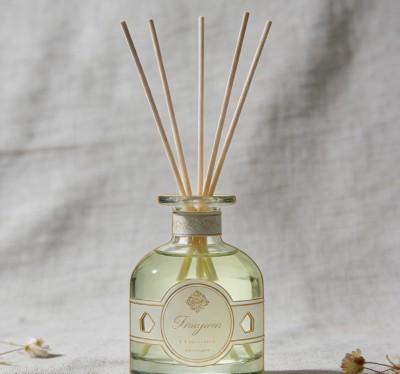
The Mechanics of Cap Sealing Failure in Botanical Mixing
The primary culprit behind messy tabletop spills during aromatherapy blending is a mismatch between the inner thread tolerance of the bottle neck and the compression gasket of the cap. When essential oil refiners mix high-terpene compounds, the low surface tension of the liquid allows it to creep upward via capillary action if the cap liner does not apply uniform vertical pressure.
Furthermore, lower-grade plastic and thin glass containers expand unevenly during seasonal temperature shifts, warping the rim and breaking the microscopic seal required to hold volatile aromatic molecules. High-precision glass manufacturing ensures that neck finishes remain uniform down to the micron, allowing closures to lock tightly against the rim without stripping threads.
| Container Material Type | Cap Thread Tolerance | Capillary Seepage Risk | Resistance to Terpene Breakdown |
| Heavy-Walled Glass Vessel | High (precision molded threads) | Very Low (tight liner compression) | Absolute (non-reactive to active terpenes) |
| Thin-Wall Molded Plastic | Low (warps under temperature shifts) | High (allows oil creep and evaporation) | Moderate (prone to solvent softening) |
| Standard Open-Pour Jar | None (press-in or snap covers) | Maximum (widespread countertop spills) | High (but lacks evaporation barrier) |
Comparing Glass Vessels to Polymer Containers for Essential Oil Integrity
Many startup wellness brands initially experiment with lightweight polymer packaging or flexible plastic squeeze containers to minimize initial shipping weights. However, these materials introduce severe functional and chemical liabilities when handling concentrated aromatherapy blends.
Concentrated botanical extracts contain powerful natural solvents that can slowly diffuse through low-density polyethylene and polypropylene container walls. This gradual permeation leads to the loss of precious top notes in custom fragrances and causes the plastic material to soften and distort. Additionally, plastic vessels lack the structural rigidity needed to withstand routine pressure changes during transport, often flexing and forcing oil past the cap seal.
According to a comprehensive material compatibility study published in the International Journal of Cosmetic Science, neutral borosilicate and soda-lime glass containers maintain absolute containment integrity over multi-year storage cycles, outperforming polymer alternatives by eliminating volatile vapor loss and chemical leaching.
- Absolute Barrier Performance: Glass completely blocks gas permeation, ensuring that volatile aromatic molecules remain trapped inside the vessel rather than evaporating into the room.
- Inert Surface Chemistry: Unlike reactive plastics, glass does not interact with acidic or terpene-rich plant extracts, preserving the exact therapeutic aroma formulated by the artisan.
- Thermal Stability: Withstands ambient temperature shifts in treatment rooms without warping the neck finish or compromising internal vacuum pressure.
Securing Dispensing Precision with Aromatherapy Roller Options
For users who prefer topical application over direct inhalation or diffusion, selecting the right delivery mechanism is vital. When crafting portable pulse-point treatments, standard open-mouth bottles require messy manual pouring.
Integrating specialized aromatherapy roller ball bottles solves this application challenge by replacing open pours with a controlled, friction-rolled sphere that releases micro-doses directly onto the skin without dripping.
- Friction-Fitted Housing: Multi-tiered retention collars lock securely into the glass rim, preventing the roller ball assembly from popping out under pressure.
- Controlled Flow Aperture: Regulates oil release so that blends glide smoothly onto pulse points without flooding the skin or pooling under the cap.
- Stainless Steel Option: Non-porous metal spheres resist oil gumming and provide a cooling tactile sensation during therapeutic massage applications.
Optimizing Supply Line Consistency for Aromatherapy Brands
For businesses scaling their wellness product lines through dedicated aromatherapy glass bottles wholesale channels, dimensional uniformity across bulk production batches is critical. Variations in inner neck diameters or overall height can cause automated capping machinery to jam, leading to torque failures and compromised seals. Working directly with experienced manufacturers ensures uniform wall thickness and precise shoulder angles, streamlining automated assembly lines from filling to final cartoning.