 GlassBottleSupplies












Sales manager will contact you within 24 hours
How to Open a Stuck Nail Polish Bottle & Why Bottle Design Matters (2025 Edition)
There is nothing more frustrating in the beauty world than settling down for a manicure, picking out your favorite shade, and discovering the bottle is sealed shut. It feels like the cap has been superglued to the glass. You struggle, your hands hurt, and the bottle remains closed.
Why does this happen? Is it just bad luck, or is it a flaw in the nail polish bottle design?
As a professional glass bottle manufacturer, we understand the science behind packaging. In this comprehensive guide, we will not only teach you how to open a stuck nail polish bottle using 10 expert-proven methods but also dive deep into the manufacturing secrets that prevent this issue.
If you are a consumer, this guide will save your manicure. If you are a beauty brand owner, this guide will teach you how to choose the right wholesale nail polish bottles to ensure your customers never face this frustration.
Part 1: The Chemistry of the “Stuck” Bottle
Before we force the bottle open, it is essential to understand why it is stuck. It’s not magic; it’s chemistry.
Nail polish is essentially a mixture of polymers (resins) suspended in volatile solvents (like ethyl acetate or butyl acetate).
- Evaporation: When you open the bottle to paint your nails, the solvents start to evaporate.
- Residue: If you wipe the brush on the neck of the bottle, wet polish is left on the threads.
- Solidification: When you screw the cap back on, the solvents in that residue evaporate completely, leaving behind hard, sticky resin.
Essentially, you have created a “glue” seal between the plastic cap and the glass threads. To open it, you need to either break this seal mechanically or dissolve it chemically.
Part 2: 10 Proven Methods to Open a Stuck Nail Polish Bottle
Here are the safest and most effective ways to open that stubborn bottle, ranked from “Gentle” to “Last Resort.”
Method 1: The Hot Water Soak (Most Effective)
This is the gold standard method. It uses thermodynamics—hot water causes the air inside the bottle to expand slightly and softens the dried resin.
- Fill a bowl with very hot (but not boiling) water.
- Hold the nail polish bottle upside down.
- Submerge only the cap in the water. Crucial: Do not submerge the glass bottle part, as this can change the consistency of the polish.
- Wait for 3-5 minutes.
- Remove, dry with a towel, and twist. The heat should have loosened the dried gunk.
Method 2: The Rubber Band Trick (For Grip)
Often, the problem isn’t just the glue; it’s a lack of leverage.
- Take a thick rubber band.
- Wrap it tightly around the handle of the cap multiple times.
- The rubber provides friction, allowing your hand to transfer more torque to the cap without slipping.
- Twist firmly.
Method 3: Run Under Hot Tap Water
If you are in a rush and don’t have a bowl:
- Turn on your hot water tap.
- Hold the bottle sideways.
- Run the hot water specifically over the neck of the bottle (where the cap meets the glass) for 30-60 seconds.
- Use a towel to grip and twist.
Method 4: Use a Rubber Glove
Similar to the rubber band trick, wearing a household rubber cleaning glove gives you a “superhuman” grip. The added friction often breaks the seal instantly.
Method 5: Acetone / Nail Polish Remover (The Chemical Solvent)
If heat doesn’t work, you need to dissolve the resin.
- Take a Q-tip or a dropper.
- Soak it in pure acetone or nail polish remover.
- Turn the stuck bottle upside down.
- Dab the acetone into the gap between the cap and the glass.
- Let it sit for a minute so gravity pulls the solvent into the threads.
- Try to twist. The acetone should re-liquefy the dried polish.
Method 6: The Nutcracker or Pliers (Use Caution!)
Mechanical force can work, but it risks breaking the cap.
- Use a nutcracker or adjustable pliers.
- Place a cloth over the cap to prevent scratching or cracking the plastic.
- Grip the cap with the tool and twist gently.
- Warning: Do not squeeze too hard, or you will crush the lid.
Method 7: The “Tapping” Technique
Sometimes, tapping the lid can break the crystallized resin seal.
- Hold the bottle securely.
- Use a wooden spoon or the handle of a screwdriver.
- Gently tap the sides of the cap (not the glass).
- Try twisting again.
Method 8: The Hairdryer Method
If you don’t want to use water:
- Set your hairdryer to medium heat.
- Aim it at the cap for 20-30 seconds.
- Warning: Do not heat the glass bottle too much, as nail polish is flammable.
Method 9: Wrapped Towel for Torque
Simply wrapping a dry, rough texture towel around the cap can increase your hand’s diameter effectively, giving you more leverage to break the seal.
Method 10: Prevention (The Best Cure)
Before closing your bottle next time:
- Take a cotton pad soaked in acetone.
- Wipe the neck of the bottle clean.
- Wipe the inside of the cap.
- Apply a tiny dab of petroleum jelly (Vaseline) to the threads. This ensures it never sticks again.
Part 3: The Manufacturer’s Secret: Why Design Matters
Now, let’s pivot to the business side. If you are a nail polish brand owner, you might notice that some bottles stick more than others. Why?
It comes down to the quality of the empty nail polish bottles you source. As a glass bottle manufacturer, we know that three factors determine the user experience:
1. Thread Precision (Mold Quality)
The “threads” are the spiral ridges on the glass neck.
- Poor Quality: If the glass mold is old or imprecise, the threads will be uneven. This allows air to enter (drying out the polish) and creates pockets where polish accumulates and dries.
- High Quality: Our wholesale nail polish bottles are produced with high-precision molds. The glass threads perfectly match the cap’s internal threads. This creates an airtight seal without requiring excessive force to close.
2. Cap & Brush Integration
The cap isn’t just a handle; it’s a seal.
- Liner Quality: Inside the cap, there should be a proper liner that compresses against the glass rim. If this liner is missing or cheap, polish leaks into the threads, causing the “stuck bottle” phenomenon.
- The Brush: When you buy empty nail polish bottles with brush wholesale, ensure the brush stem (wand) is firmly attached. Loose wands wobble, depositing polish on the neck during use.
3. Bottle Shape & Ergonomics
The shape of the bottle affects how much torque a user can apply.
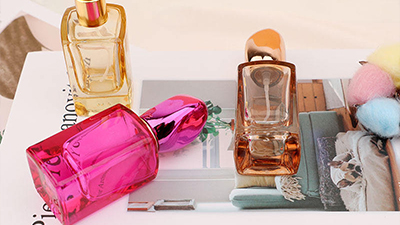
- Square Nail Polish Bottles: These are not just stylish; they are functional. The square shape of the cap (often found on premium brands) allows users to apply more torque/leverage compared to a perfectly round, smooth cylinder cap. This makes them easier to open.
- Round Bottles: Classic and sleek, but require a textured cap for better grip.
Part 4: Choosing the Right Packaging for Your Brand
If you are launching a nail polish line or looking to upgrade your packaging, avoiding customer complaints starts with the bottle.
For Gel Polish (UV Protection)
If you are selling gel bottle nail polish, you have specific needs. Gel polish cures (hardens) when exposed to UV light.
- The Danger: If you use a clear bottle, or a bottle with poor UV coating, the gel will harden inside the bottle, making it impossible to open forever.
- The Solution: You must choose opaque black bottles or deep amber glass bottles. Our factory provides specialized multi-layer coated bottles that block 100% of UV light, ensuring the gel stays liquid.
For Traditional Lacquer
- Clear Glass: Visibility is key. Our high-clarity glass ensures the customer sees the true color of the pigment.
- Mini Sizes: We offer 3ml and 5ml mini bottles, perfect for sample kits. These small bottles require high-precision engineering because the neck is so small that any dried polish can block it entirely.
Customization Options
We offer comprehensive OEM services:
- Silk Screen Printing: For your logo.
- Custom Shapes: From square nail polish bottles to unique vintage designs.
- Brush Options: Wide fan brushes or precision thin brushes.
Part 5: Frequently Asked Questions (FAQ)
Q: Why is my nail polish sticky in the bottle? A: This usually happens because air has entered the bottle, causing the solvents to evaporate. This thickens the formula. You can fix this by adding a few drops of nail polish thinner (not remover!). To prevent it, ensure you source empty nail polish bottles with high-quality, airtight caps.
Q: Can I reuse empty nail polish bottles? A: Yes, but cleaning them is difficult. You need to use pure acetone to dissolve all residue. For businesses, it is always more cost-effective to buy wholesale nail polish bottles than to attempt cleaning recycled ones.
Q: What is the standard size for a nail polish bottle? A: The industry standard is 15ml (0.5 oz). However, 10ml is becoming popular for indie brands, and 5ml is standard for gel pods or samples.
Q: Do square bottles hold less polish than round ones? A: Not necessarily. The volume depends on the internal cavity, not the external shape. A square nail polish bottle can be designed to hold exactly 15ml, just like a round one.
Conclusion
Opening a stuck nail polish bottle requires patience, heat, and sometimes a bit of solvent. But for brand owners, the goal is to prevent the bottle from ever sticking in the first place.
Quality packaging is the silent ambassador of your brand. A bottle that opens smoothly, seals tightly, and protects the formula builds customer loyalty.
At GlassBottleSupplies.com, we manufacture premium glass packaging solutions for the world’s top beauty brands. Whether you need square nail polish bottles, UV-safe gel bottles, or bulk empty nail polish bottles with brushes, we have the mold and the expertise.